Exploring the Benefits and Considerations of Dot to Dot Numbers
Dot to Dot Numbers is a creative and educational activity that involves connecting numbered dots to form a picture. This engaging pastime is not only fun but also offers numerous benefits, especially for children. In this article, we will explore what Dot to Dot Numbers is, why it might be of interest, and the various considerations to help you decide if it's right for your needs.
What is Dot to Dot Numbers?
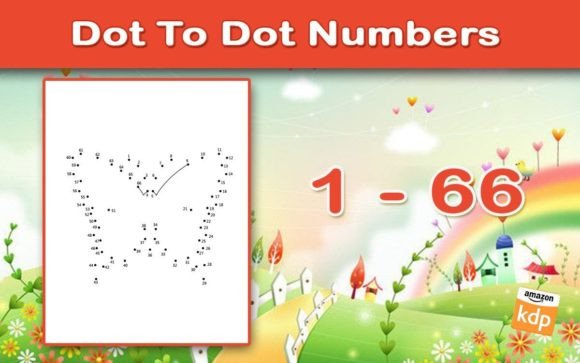
Dot to Dot Numbers, also known as connect-the-dots, is an activity where participants follow a sequence of numbered dots to create a picture. The process typically starts with dot 1 and continues in numerical order until the final number, which can range from simple sequences like 1-10 to more complex ones like 1-66. This activity is often presented in books or printable pages, making it accessible and easy to use.
Why Choose Dot to Dot Numbers?
There are several compelling reasons why someone might be interested in Dot to Dot Numbers:
- Educational Value: It helps children learn to count and recognize numbers, improving their numeracy skills.
- Cognitive Development: The activity enhances problem-solving and fine motor skills as children connect the dots and color the resulting image.
- Relaxation and Enjoyment: Dot to Dot Numbers is a relaxing and enjoyable way to pass the time, suitable for both children and adults.
Benefits of Dot to Dot Numbers
Engaging in Dot to Dot Numbers offers a variety of benefits:
- Improved Attention Span: The focused nature of the activity can help improve a child's ability to concentrate and stay engaged.
- Creativity and Imagination: Once the dots are connected, the resulting image can be colored, allowing for creative expression and imagination.
- Stress Relief: For adults, the repetitive and calming nature of the activity can serve as a form of stress relief and mindfulness.
Considerations and Tradeoffs
While Dot to Dot Numbers has many benefits, there are also some considerations and tradeoffs to keep in mind:
- Age Appropriateness: While generally suitable for children ages 2 and above, the complexity of the dot-to-dot sequences may vary. Younger children might find simpler sequences (e as 1-10) more appropriate, while older children and adults can handle more complex ones (e.g., 1-66).
- Quality of Materials: High-resolution, no-bleed pages are essential for a good experience. Ensure that the materials you choose, whether in print or digital format, meet these standards.
- Variety and Engagement: To keep the activity engaging, look for a variety of images and themes. This can help maintain interest and provide a broader range of learning opportunities.
Situations Where Dot to Dot Numbers May Be a Strong Fit
Dot to Dot Numbers is particularly well-suited for:
- Early Childhood Education: It can be an excellent tool for teachers and parents to introduce basic numeracy and fine motor skills to young children.
- Therapeutic Use: Occupational therapists and educators may use Dot to Dot Numbers as part of a therapy plan to help develop fine motor skills and focus.
- Leisure and Relaxation: For adults seeking a low-stress, creative outlet, Dot to Dot Numbers can be a satisfying and meditative activity.
Situations Where Alternatives May Be Worth Considering
While Dot to Dot Numbers is a versatile and beneficial activity, there are situations where alternatives might be more suitable:
- Advanced Learning Needs: For children who have already mastered basic counting and need more challenging activities, consider puzzles, math games, or other advanced educational tools.
- Artistic Expression: If the primary goal is to encourage artistic creativity, traditional coloring books or drawing activities might offer more flexibility and freedom.
- Special Needs: For children with specific developmental or sensory needs, consult with a therapist to determine if Dot to Dot Numbers is the best fit or if other therapeutic activities might be more beneficial.
Making the Decision
To determine if Dot to Dot Numbers aligns with your goals or needs, consider the following:
- Age and Skill Level: Assess the age and skill level of the intended user. Choose sequences that are appropriately challenging and engaging.
- Purpose: Identify the primary purpose of the activity. Is it for education, relaxation, or a combination of both? This will help you select the right type of Dot to Dot Numbers material.
- Quality and Variety: Look for high-quality, no-bleed pages with a variety of images and themes to ensure a positive and engaging experience.
In conclusion, Dot to Dot Numbers is a versatile and beneficial activity that can enhance numeracy skills, cognitive development, and provide a relaxing and enjoyable pastime. By considering the age, skill level, and purpose, you can make an informed decision about whether it is the right choice for you or your child.