Maximizing Your Trading Journey with a Trading Logbook
A trading logbook is an essential tool for traders, providing a structured way to record and analyze their trades. Whether you are a seasoned professional or a beginner, a well-organized trading logbook can significantly enhance your trading performance and decision-making skills.
Understanding the Purpose of a Trading Logbook
The primary purpose of a trading logbook is to document every trade, including the entry and exit points, the rationale behind each decision, and the outcomes. This documentation helps traders:
- Identify patterns and trends in their trading behavior
- Assess the effectiveness of different trading strategies
- Learn from both successes and failures
- Improve their overall trading discipline
Features and Characteristics of a High-Quality Trading Logbook
A high-quality trading logbook should include several key features to ensure it meets the needs of traders effectively. Here are some characteristics to look for:
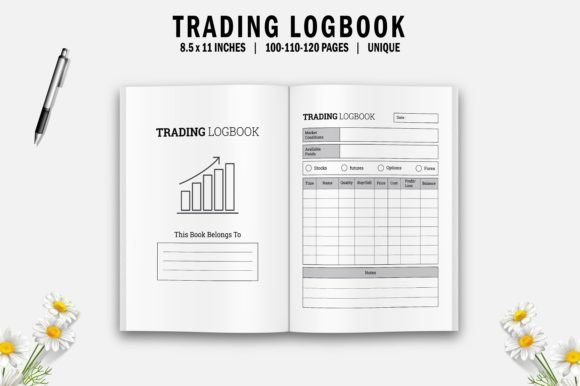
- Detailed Entry Fields: Spaces for recording date, time, asset, entry price, exit price, and other relevant details.
- Notes Section: A dedicated area for jotting down thoughts, observations, and reflections on each trade.
- Analysis Tools: Charts, graphs, and summary pages to help visualize and analyze trading data.
- Customizable Layouts: The ability to tailor the logbook to fit specific trading styles and preferences.
Who Can Benefit from a Trading Logbook?
A trading logbook is not just for professional traders; it can be beneficial for a wide range of individuals, including:
- Beginner Traders: Those new to trading can use a logbook to build a foundation of good habits and learn from their early experiences.
- Experienced Traders: Seasoned traders can refine their strategies and gain deeper insights into their performance over time.
- Investors: Investors who make occasional trades can also benefit from tracking and analyzing their decisions.
- Educators and Students: Academic settings can use trading logbooks as educational tools to teach financial literacy and trading principles.
Real-World Applications of a Trading Logbook
Here are some real-world scenarios where a trading logbook can be particularly useful:
- Day Trading: Day traders can use a logbook to track rapid, high-volume trades and identify profitable patterns.
- Swing Trading: Swing traders can document their trades over several days to weeks, helping them to refine their timing and strategy.
- Long-Term Investing: Long-term investors can use a logbook to keep a record of their investments, dividends, and market movements.
Strengths and Considerations of Using a Trading Logbook
While a trading logbook offers numerous benefits, there are also some considerations to keep in mind:
Strengths:
- Enhanced Discipline: Regularly documenting trades promotes better trading discipline and consistency.
- Data-Driven Decisions: Analyzing past trades helps in making more informed and data-driven decisions.
- Continuous Learning: A logbook serves as a learning tool, allowing traders to continuously improve their skills.
Considerations:
- Time Commitment: Maintaining a detailed logbook requires a significant time investment, which may be challenging for busy traders.
- Privacy Concerns: Some traders may be hesitant to document sensitive information, especially if they are concerned about privacy and security.
How to Choose the Right Trading Logbook
When selecting a trading logbook, consider the following factors to ensure it meets your specific needs:
- Format: Decide whether you prefer a digital or physical logbook. Digital formats offer convenience and easy access, while physical books provide a tangible, hands-on experience.
- Layout and Features: Look for a logbook that includes the fields and sections you need, such as detailed entry forms, notes, and analysis tools.
- Quality and Durability: Opt for a high-quality logbook that is durable and can withstand regular use.
Conclusion
A trading logbook is an indispensable tool for any trader, offering a structured and systematic way to document and analyze trades. By choosing the right logbook and committing to regular use, traders can gain valuable insights, improve their strategies, and ultimately achieve greater success in their trading endeavors.